
Blog
Insights on SaMD compliance, MedTech engineering, and the regulatory landscape, from the team building P4SaMD.
Master AI for SaMD Compliance: Abstracting the Regulatory Complexity in the AI Era
AI is outrunning SaMD compliance. Discover why static frameworks can't keep up, and how compliance-by-design and Mia-Care's P4SaMD close the gap.
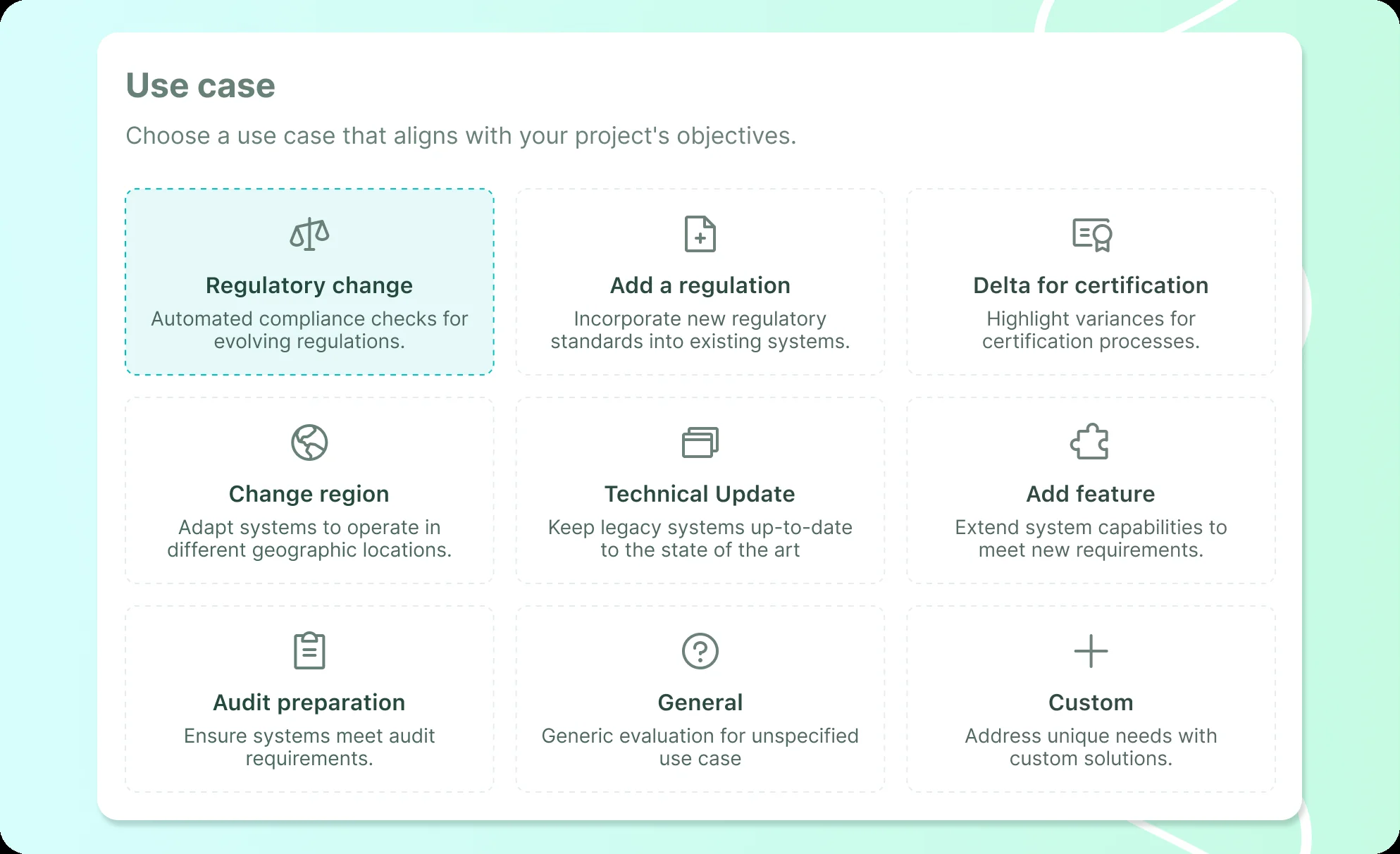
Brownfield Assessment & Remediation: Reviving Legacy Medical Software
- Brownfield software is still widespread among organizations, compounding its legal distribution. - Brownfield remediation seeks to balance legacy modernization with ongoing regulatory compliance. - Use P4SaMD by Mia-Care to assess your legacy software and perform a full remediation journey.
Navigating the SaMD Regulatory Framework: A Global Guide
Delve into the SaMD regulatory framework to ensure compliance, spark innovation, and strengthen patient safety.
IEC 62304: A Comprehensive FAQ Guide
The software life cycle is long, often slow and tangled across all its phases. The life cycle of software as a medical device (SaMD) and software within medical devices (SiMD) is even more difficult to handle because of the strict regulations that make development workflows necessitate deep investigation.

The Top 5 Upcoming Trends in 2026 Digital Health
The global digital healthcare landscape is living a flourishing time, so much so that organizations are investing in digital solutions at an unprecedented rate.

The “Compliance Tax” in SaMD Development: From Burden to Unrivaled Quality Gain
- SaMD development demands particular attention to compliance. - The “Compliance Tax” is seemingly an expensive burden, but could easily turn into a quality catalyst with the right tools. - P4SaMD addresses this operational overhead for extensive benefits.

How to Speed Up Software as a Medical Device (SaMD) Development with Regulatory Adherence
- Every phase of software development hides pitfalls that can severely slow down the final product release. - SaMD development is even more complex because it encloses compliance with very rigid regulations. - Developer Platforms with custom and embedded capabilities accelerate the whole software lifecycle while adhering to standards and regulations.

Enabling Telehealth Platforms with Cloud‑Native Technology
The rapid adoption of cloud-native technology has accelerated the diffusion of telehealth, as healthcare providers and patients sought safe, remote options for care. This rapid shift has highlighted the need for scalable, flexible telehealth platforms to meet growing demand.

The Ultimate Guide: Building a Scalable Telemedicine App with Microservices Architecture
Telemedicine apps have revolutionized the way healthcare services are delivered to patients. These apps provide a convenient and efficient tool for patients to consult with healthcare providers remotely, saving time and stress for both stakeholders.

Enhance Data Capture with Structured Information: Enabling FHIR Questionnaires
FHIR questionnaires and structured data capture tools are crucial in standardizing healthcare data exchange and promoting interoperability. By adhering to these standards, healthcare organizations can improve efficiency, accuracy, and the quality of care delivery for better patient outcomes.